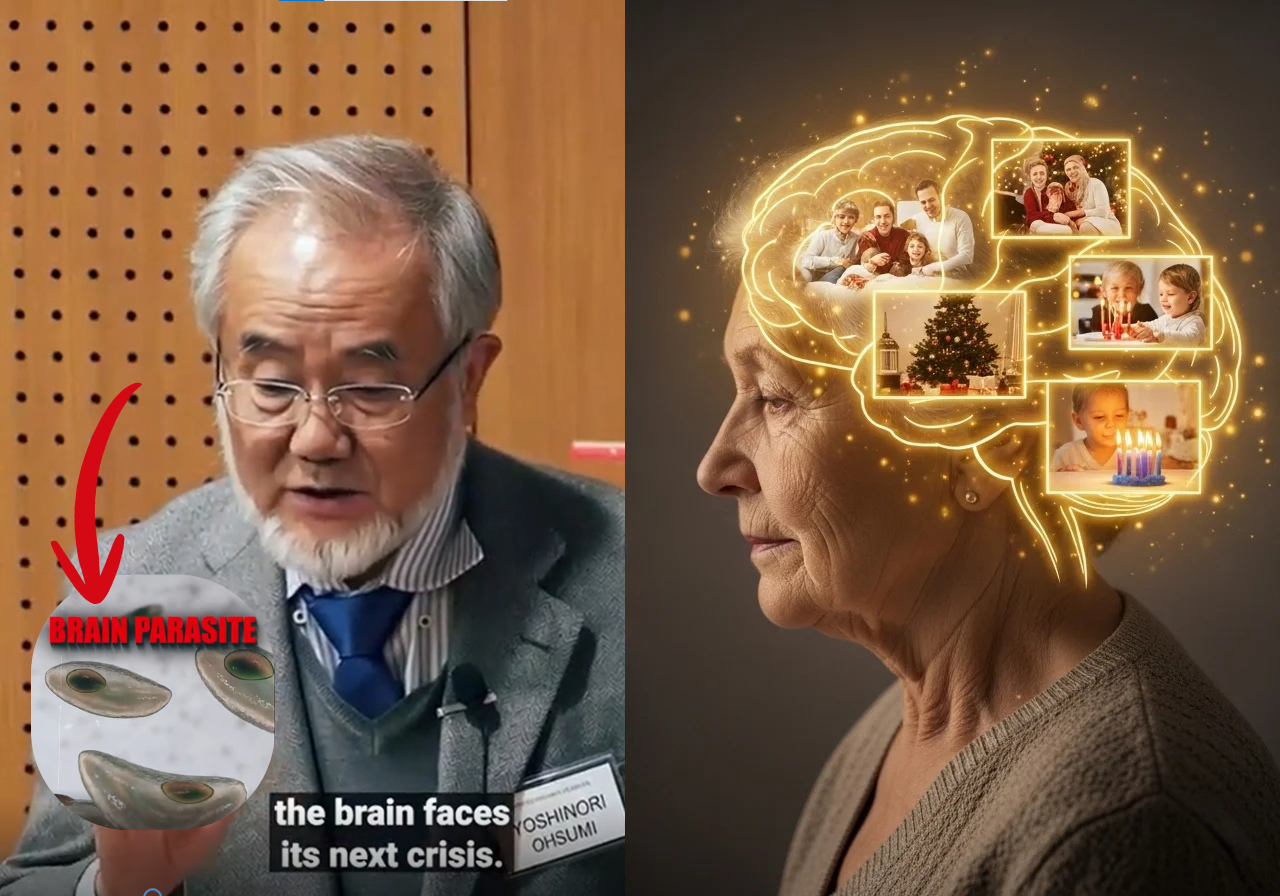
For decades, the prevailing assumption in Alzheimer's research was straightforward: amyloid plaques accumulate in the brain, neurons die, and memory follows. The scientific consensus was so entrenched that virtually every major pharmaceutical effort of the last 30 years was built around it.
Bill Gates watched his father decline from the disease — and pass away in 2020 — without any of those drugs making a meaningful difference. What started as a personal loss became a professional mission. The Gates Foundation began examining whether the standard framework for understanding dementia was as settled as the industry assumed.
"Even with all the money and resources in the world, I couldn't save my father. He didn't recognize us at the end. We were strangers to him. That man who taught me everything — he couldn't remember his own son."
— Bill GatesThe findings that came out of that inquiry were not what most expected. A series of peer-reviewed studies — including research connected to a Nobel Prize-winning scientist studying cellular processes — raised new questions about what actually triggers cognitive decline and when that process begins.
Several independent research groups now suggest that amyloid plaques may be a byproduct of an earlier process — not the root cause of memory loss itself. If that hypothesis holds, it would help explain why clinical trials targeting plaques have repeatedly failed to slow cognitive decline in patients.
Between 1970 and 1990, Alzheimer's and dementia cases in the United States increased by over 600% — a rate that researchers note is difficult to attribute to genetics or aging alone. That pattern has led some scientists to examine external and lifestyle factors that conventional models have historically underweighted.
Gates recently recorded a video examining this body of research — what it found, why it hasn't reached mainstream awareness, and what families dealing with memory loss may want to understand. It's free to watch and doesn't require any signup.
Here's what the video covers:
If you or someone you love is managing memory concerns or looking to understand what the latest research actually says — this video covers it in plain language, at no cost.